What are probiotics?
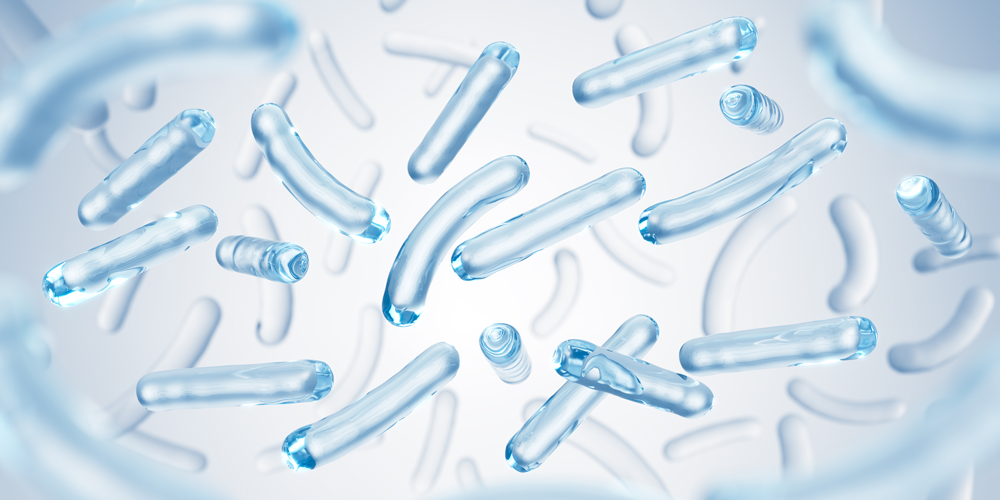
Probiotics are a combination of live beneficial bacteria, which occur naturally within and on the body, and influence skin health and overall appearance. Bacteria is usually viewed in a negative light as something that makes you sick. However, we have two kinds of bacteria constantly in and on our body — good bacteria and bad bacteria, both of which influence our gut health and gut microbiome. Probiotics are made up of good bacteria that nourish our skin, support the gut microbiota, help lock in moisture, and brighten the overall complexion.
What are the benefits of probiotics for skin?
Skin’s surface is a multifaceted environment, almost like a city of living things populating and working in every part of it, and probiotics play a crucial role in keeping it in balance.
Stabilising the skin microbiome helps:
- Maintain healthy skin
- Facilitate optimal skin flora and maintain effective moisture balance.
- Strengthen skin barrier against environmental stressors.
- Restore a healthy pH balance to the skin’s surface
- Brighten dull-looking skin
- Calms sensitive skin and irritated skin
- Reduce skin inflammation
- Prevent and treat skin disorders including eczema, atopic dermatitis and acne
- Sloughs off dead skin cells, minimises skin wrinkles and prevents premature skin aging
How are probiotics used?
There are so many skincare products on the market containing probiotics, including serums or moisturisers. Furthermore, probiotics are sold in dietary supplements including pills or protein shakes.
How do probiotics work?
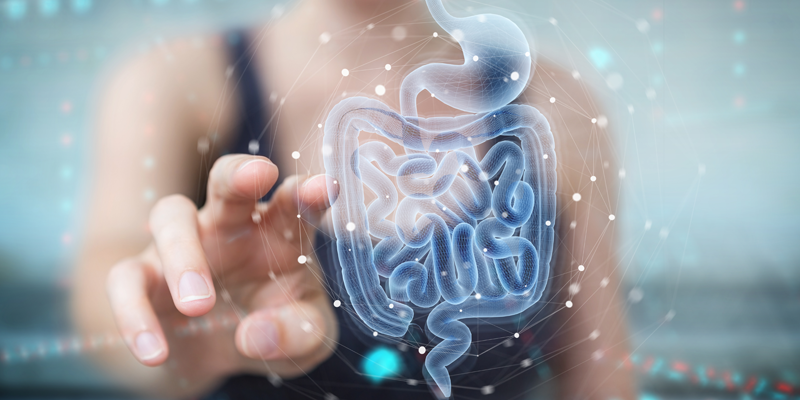
When we are exposed to harmful bacteria, probiotics help restore balance by supporting the gut-skin axis, regulating the immune system, and reducing the impact of inflammatory skin conditions. Probiotics in skincare are known for their calming effects on the skin by harnessing a surge of good bacteria to help cells flourish. When our skin barrier is healthy, it can regulate oil production, stay hydrated, fend off free radicals, and even aid in wound healing by promoting tissue repair.
How can Probiotics benefit different skin conditions?
Probiotics (and probiotic-derived skincare ingredients) can help support healthier-looking skin by balancing the skin microbiome, calming visible inflammation, and strengthening the skin barrier. When the microbiome and barrier are supported, skin is often better able to tolerate daily stressors – like weather, pollution, and irritating skincare – while maintaining hydration and comfort.
- Acne-prone skin: Helps support a balanced skin environment and can reduce the look of redness and irritation associated with breakouts.
- Eczema / dermatitis-prone skin: Supports barrier function and can help reduce dryness, tightness and visible irritation in compromised skin.
- Sensitive / reactive skin: Can help improve resilience by supporting the microbiome and reducing the skin’s tendency to look inflamed or feel irritated.
- Dry, dehydrated or scaling skin: Helps strengthen the moisture barrier and improve hydration, which can reduce flaking and the feeling of itchiness linked to dryness.
- Redness-prone skin: Can help calm visible redness by supporting the skin’s natural defences and reducing inflammation.
- Sun-stressed or environmentally stressed skin: Helps defend against oxidative stress from UV and pollution, supporting healthier-looking skin over time.
- Premature ageing concerns: By supporting barrier strength and reducing oxidative stress, probiotics can help skin look smoother, more hydrated and more resilient—making fine lines less noticeable when skin is dry.
- Compromised barrier (over-exfoliation or harsh products): Helps restore balance and comfort, supporting recovery when skin feels sensitised or “stripped.”
DU’IT products with Probiotics