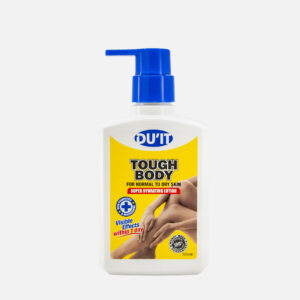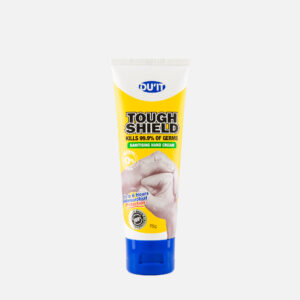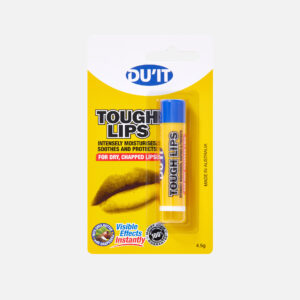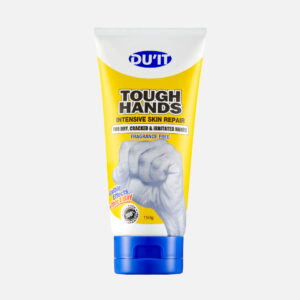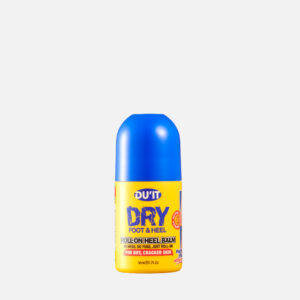
What Is Urea?
Urea is a component of the natural moisturising factor (NMF) produced by the skin. Urea is a humectant, which means it is able to absorb moisture from the environment and draw it to the skin, often working synergistically with mineral oil in skincare formulations to lock in hydration. This ingredient is also an emollient that softens and smoothes the skin. Urea is clinically proven to treat different dry skin conditions like cracked heels and hard skin.
How does Urea work?
Urea in skincare helps improve the appearance of patches of dry, rough, scaly skin in two ways. This ingredient helps provide hydration to smooth texture, and it also works to help thin the build up of dead skin cells.
How is Urea used?
Urea ingredient can be found in a variety of skincare formulations, including body washes, lotions and creams. Because of its hydrating properties and ability to help remove the build-up of excess dead skin cells. Urea creams are for external use only and should be applied to affected areas such as the hands, heels, and feet.
Can Urea be used on the body?
Urea is relevant for body use due to its moisturising and skin-softening effects on thick, rough or callused skin—such as feet, knees and elbows. Urea is suitable for sensitive skin, providing gentle yet effective hydration and repair.
How is Urea used?
Urea ingredient can be found in a variety of skincare formulations, including body washes, lotions and creams. Because of its hydrating properties and ability to help remove the build-up of excess dead skin cells. Urea creams are for external use only and should be applied to affected areas such as the hands, heels, and feet.
How can urea benefit different skin conditions?
Urea can help with a variety of skin conditions by hydrating the skin, softening rough or thickened areas, gently lifting built-up dead skin cells, and supporting the skin’s barrier. This makes it especially useful when skin feels dry, flaky, scaly, or hardened.
- Dry skin: Helps attract and retain moisture to soften dry, rough, or thickened skin and improve overall comfort.
- Psoriasis: Can help soften the look and feel of thick, scaly plaques and support smoother-feeling skin.
- Eczema: Helps relieve dryness and tightness by improving hydration (best introduced gradually if skin is sensitive).
- Ichthyosis: Helps hydrate and smooth the appearance of persistent scaling commonly seen with ichthyosis.
- Seborrheic dermatitis: Can help reduce dryness and flaking, supporting softer, more comfortable skin.
- Xerosis: Helps manage pronounced dryness by boosting moisture levels and smoothing flaky texture.
- Calloused skin: Helps soften hardened, thickened areas (commonly on feet and heels) and smooth rough patches over time.
- Cracked skin: By improving hydration and flexibility, urea can help keep skin feeling more comfortable and less prone to cracking.
- Rough and bumpy skin: Helps smooth uneven texture by hydrating and gently loosening built-up dead skin cells.