


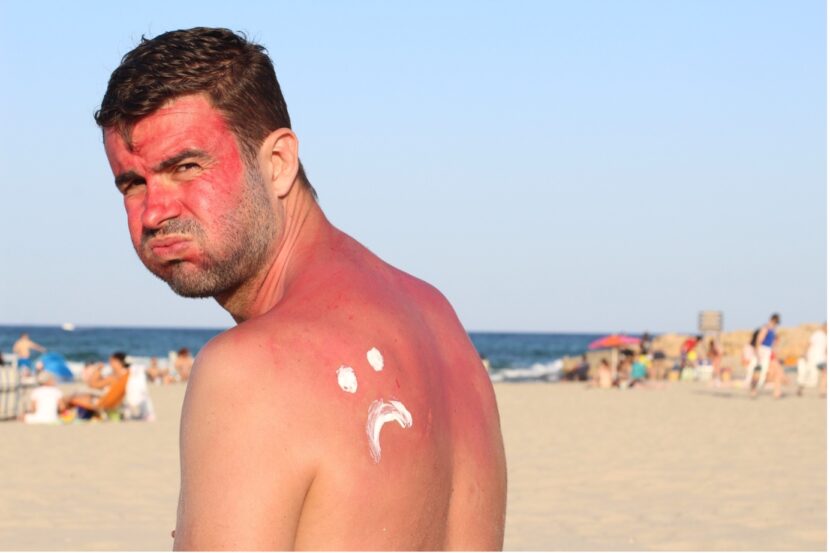
Australia experiences some of the harshest UV radiation levels in the world. Combined with our outdoor lifestyle, this extreme UV exposure has resulted in some of the highest skin cancer and melanoma rates globally. That’s why sun protection measures are essential whenever you’re exposed to direct sunlight – particularly during peak UV index hours.
Despite widespread sun safety messaging, recent research from the Australian Bureau of Statistics and the Cancer Council shows that nearly 50% of Australians still fail to use adequate sun protection. Even more concerning, of the almost 2 million Australians who intentionally attempted to get a tan in 2023, close to 1.5 million reported sunburnt skin in the week prior to the survey.
Too much sun doesn’t just cause temporary discomfort. Repeated sunburns significantly increase your skin cancer risk and can lead to long-term damaged skin. Below, we explore what sunburn is, how it affects the skin’s surface and deeper skin cells, and whether moisturising lotion or moisturising cream can actually help sunburn heal.
What is sunburn? Why is it so bad for your skin?
Sunburn is a form of skin damage caused by excessive sun exposure to ultraviolet (UV) rays or UV radiation from artificial sources such as tanning beds. When radiation from the sun penetrates exposed skin, it damages DNA within skin cells, disrupts the skin’s natural barrier, and triggers inflammation.
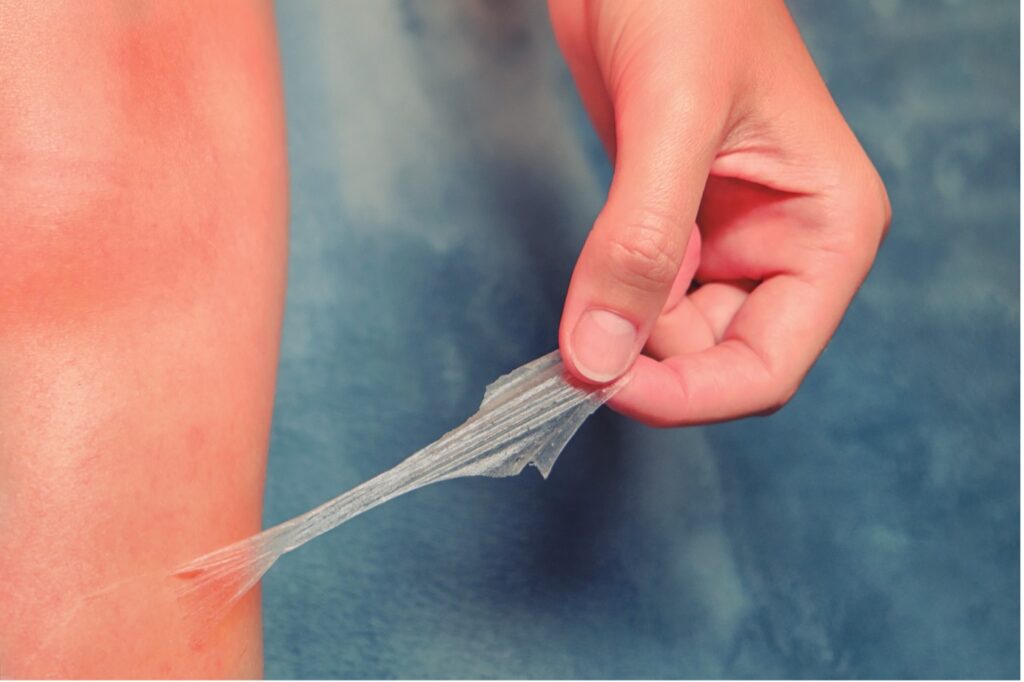
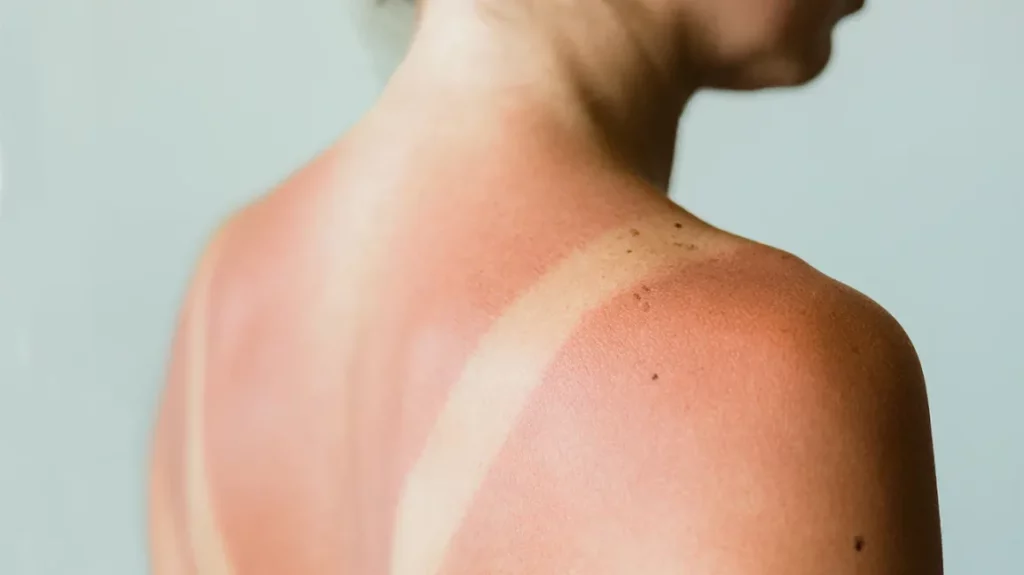
Common symptoms of sunburn include redness, heat, irritation, tenderness, swelling, peeling skin and, in more severe cases, blistering and severe pain. Under the Australian sun, sunburn can occur in as little as 15 minutes.
Sun damage doesn’t stop at the skin’s surface. UV rays can permanently alter skin cells, increasing the risk of developing melanoma and other forms of skin cancer. Long-term sun exposure also accelerates premature ageing, leading to wrinkles, pigmentation and loss of elasticity.
Types of sunburn
Sunburn severity varies depending on the depth of skin damage and UV exposure.
First-degree burns
A mild sunburn affects only the outer layer of skin. Symptoms include redness, warmth, pain and mild swelling. Dry skin and light peeling skin may follow. This type of sunburn usually heals within a few days naturally. Applying a moisturising lotion or moisturising cream can help soothe irritation and support the skin barrier.
Second-degree burns
Moderate sunburn extends deeper into the skin layers and often results in sunburned skin with intense redness, swelling, blistering and significant pain. Sun damaged skin of this type may take one to two weeks to heal and has a higher risk of infection if blisters are popped. Never pop blisters, as this can worsen damaged skin.
Third-degree burns
Severe sunburn is rare but extremely serious. It can penetrate all skin layers and cause numbness, white or charred skin, and extensive tissue damage. This level of sun damage requires immediate medical attention and should never be treated at home.
How to prevent sunburn in the first place
The best way to treat sunburn is to prevent sunburn altogether. Follow these sun protection measures and the five SunSmart steps:
- Slip on sun protective clothing and wear loose, breathable fabrics
- Slop on SPF 50+ broad spectrum sunscreen (sun protection factor)
- Slap on a wide-brimmed hat
- Seek shade, especially during peak UV index hours
- Slide on sunglasses
Avoid prolonged sun exposure, particularly when the UV is strongest, and remember that Australian sun conditions can cause sun damage even on cloudy days.
How to treat sunburn at home
Most mild to moderate sunburn cases can be managed at home. Effective ways to treat sunburn include:
- Taking a cool shower (not cold) to reduce irritation
- Applying cold compresses or a damp towel to soothe heat
- Using aloe vera or a fragrance-free moisturising lotion
- Drinking water to combat dehydration caused by sun exposure
- Wearing loose clothing to prevent friction on sunburned skin
- Staying out of direct sunlight until the skin heals
If you experience severe pain, extensive blistering, fever, nausea, dizziness or signs of infection, seek immediate medical attention.
Does moisturiser help sunburn heal?
Yes — when used correctly, moisturiser plays an important role in helping sunburn heal.
Once the skin has cooled (after a cool shower or compress), applying a moisturiser helps restore moisture, calm inflammation and support the natural barrier of the skin. This is especially important for dry skin and sun damaged skin, as UV radiation weakens the skin barrier and increases water loss.
However, moisturiser won’t stop peeling skin entirely. Peeling is part of the healing process as damaged skin cells shed and new skin forms. Applying moisturiser can reduce discomfort and speed recovery, but avoid products containing alcohol, fragrances or harsh actives, particularly if you have sensitive skin.
Why Vitamin E is ideal for sunburned skin
Vitamin E is one of the most effective ingredients for sunburnt skin. As a powerful antioxidant, it neutralises free radicals caused by UV and helps repair sun damaged skin.
- Using a Vitamin E–rich moisturiser can:
- Reduce long-term skin cancer risk associated with repeated sunburns
- Reduce redness and inflammation
- Support skin barrier repair
- Soothe irritation
- Improve hydration in dry skin
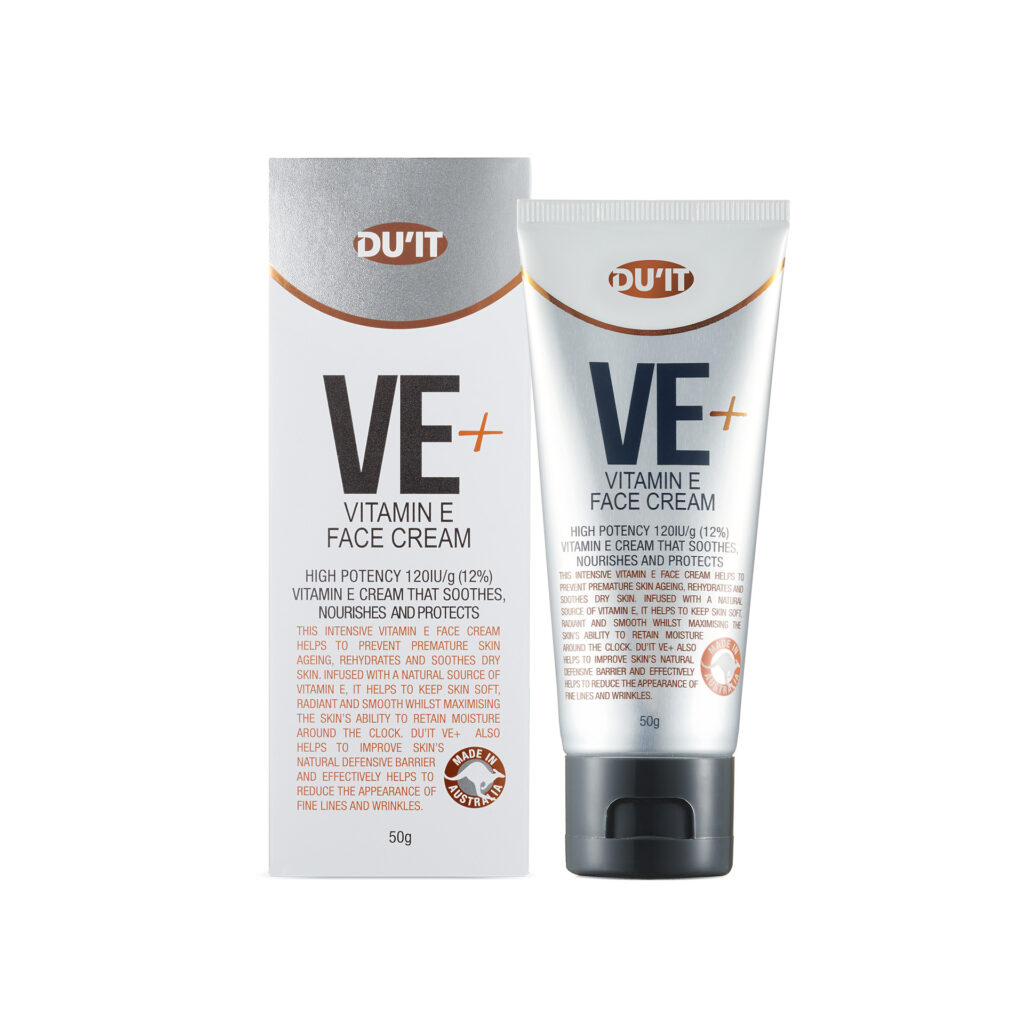
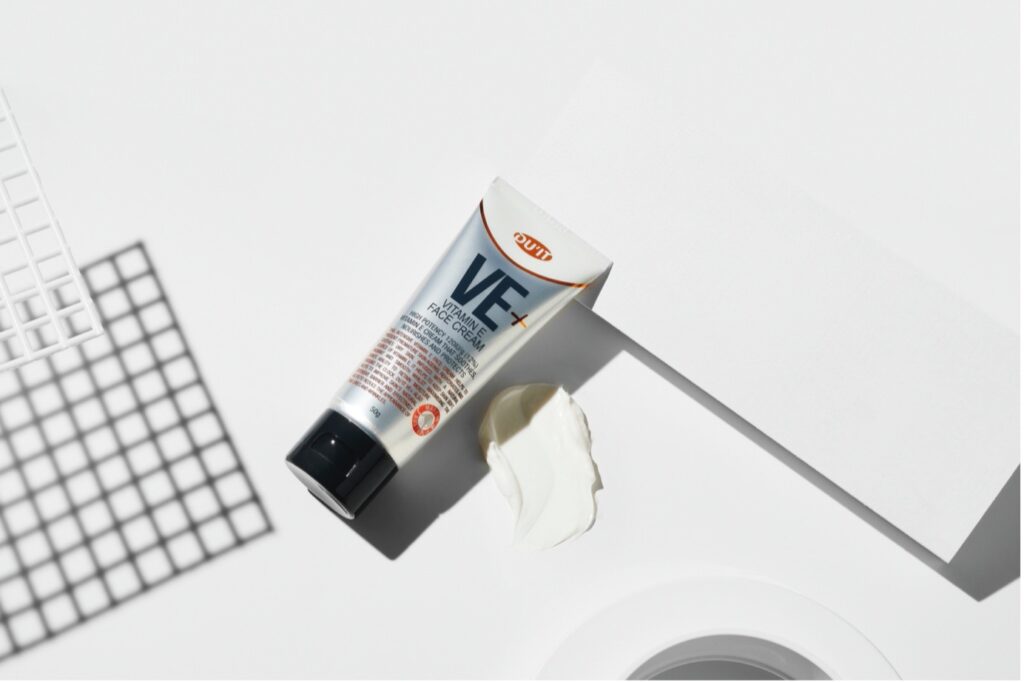
DU’IT VE+ Vitamin E Face Cream
DU’IT VE+ Vitamin E Face Cream contains a high-potency 12% Vitamin E formula designed to deeply nourish sunburned skin. It helps restore the skin’s natural barrier, reduce peeling skin and promote faster skin healing without irritating the skin.
What is the best Vitamin E product on the market?
DU’IT VE+ Vitamin E Face Cream is a high-potency Vitamin E cream. Formulated with 12% active Vitamin E, our face cream contains 6x more Vitamin E compared to other standard Vitamin E creams on the market. When it comes to sunburn, the DU’IT VE+ Vitamin E Face Cream works to neutralise free radical activities and protect the skin from further UV damage. The non-greasy texture is easily absorbed into the skin, providing a calming and healing effect targeting skin redness and irritation. Often, skin peeling is an unavoidable part of the healing process post-sunburn. This Vitamin E cream features moisturising benefits that help promote skin cell turnover, repair skin moisture barriers and further soothe irritated skin, speeding up the healing process and leaving your skin supple and soft again. It’s free from parabens, petrolatum, mineral oil and other irritating ingredients, making it a milder skincare option for sensitive, dehydrated and sunburned skin.
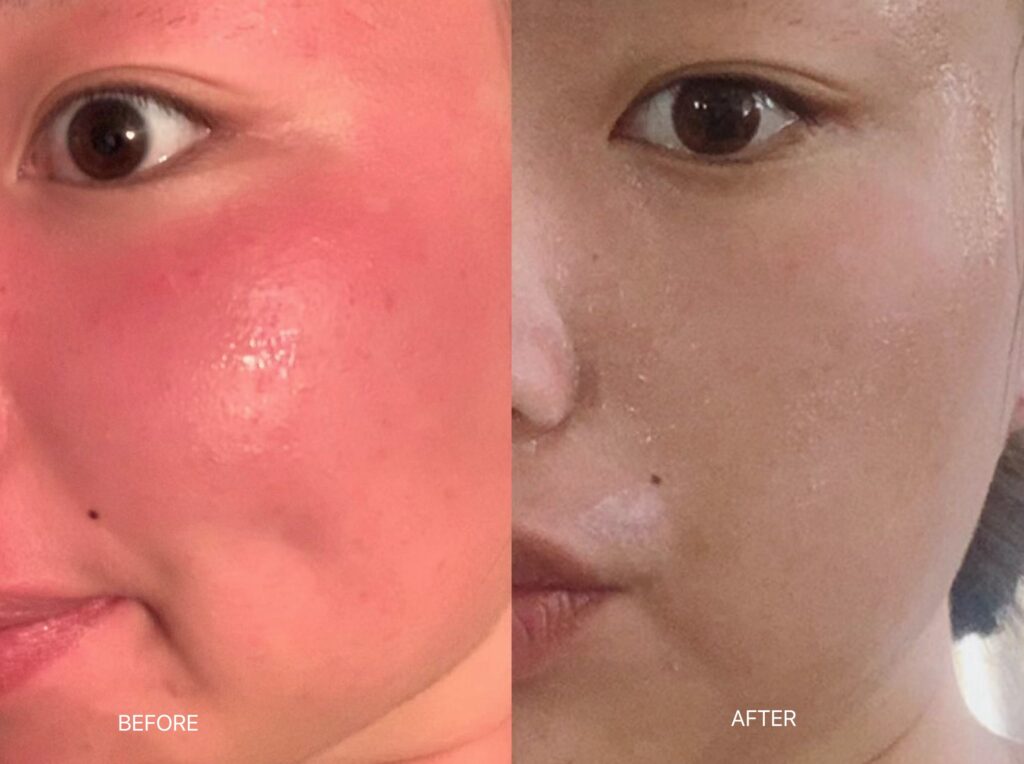
“I bought 2 of these recently. One for the glovebox of my car and the other to keep in a handbag. It’s great for deeply moisturising dry skin and calming any type of skin irritation – it helps reduce skin peeling and soreness after sunburn. The texture is thick and there’s none of that drippy watery feel. After applying the cream, you will feel incredibly cooling and healing on your skin.” – Alice, Australia
While sunburn can lead to short-term symptoms like inflammation, redness, pain and swelling, excessive UV exposure can cause more long-term DNA damage. The long-term effects of sun exposure can lead to premature ageing (fine lines, wrinkles and pigmentation), permanent discolouration or scarring and an increased risk of skin cancer, including melanoma. There’s evidence to suggest that Vitamin E and its antioxidant properties, which neutralise harmful molecules and free radicals that UV rays create in the skin.
Probiotics for skin health
Vitamin E isn’t the only skincare ingredient that works wonders for sunburn. Probiotics can also offer a range of skin benefits, especially if you’re suffering from sunburn. Let’s take a look at some of the key advantages of incorporating probiotic skincare into your routine.
The probiotic advantage
Probiotics are beneficial microorganisms that promote a balanced microbiome. Recent research has extended the benefits of probiotics to skincare, highlighting their potential in restoring and maintaining skin health. Probiotic body lotions contain live cultures of these beneficial bacteria, providing a dual-action approach to sunburn repair.
Protects against environmental damage
Probiotics act as a natural shield against pollution, UV exposure and toxins. Pollution and UV rays create free radicals. While a healthy amount of free radicals is fine, excess exposure to environmental factors can lead to skin ageing, inflammation and damage. Probiotic skincare boosts antioxidant activity, helping to neutralise these harmful molecules and the effects they have on the skin.
Reduces inflammation and redness
Sunburn-induced inflammation is a key contributor to discomfort and skin damage. Probiotics have been shown to possess potent anti-inflammatory properties, helping to reduce the redness and swelling that often come with sunburn. By balancing the immune response, probiotics in body lotion create a soothing effect, providing relief to the damaged skin.
Strengthens and repairs the skin barrier
Topical probiotics support the skin’s natural defence system, making it more resilient to irritants. Not to mention, probiotics also help the skin retain moisture, keeping skin hydrated and healthy, which can be hugely beneficial for sunburnt skin.
UV radiation compromises the skin barrier, leading to increased water loss and greater susceptibility to irritants. Probiotics in body lotions work to restore and strengthen the skin barrier by promoting the production of ceramides and other lipids. This not only aids in retaining moisture but also enhances the skin’s natural defence mechanisms, facilitating the healing process. A probiotic skincare will boost skin health while providing adequate hydration.
Discover Tough Body Probiotic Body Lotion
DU’IT Tough Body Probiotic Lotion is a lightweight body lotion and daily body moisturiser enriched with a powerful combination of probiotics, urea, niacinamide and Vitamin E, plus Australian Kakadu Plum and grape seed oil. This non-greasy formula replenishes and strengthens the skin barrier, reducing inflammation and redness associated with sunburn. Formulated with natural ingredients, it contains no parabens, petrolatum, mineral oil or irritants, making it suitable for sensitive skin.
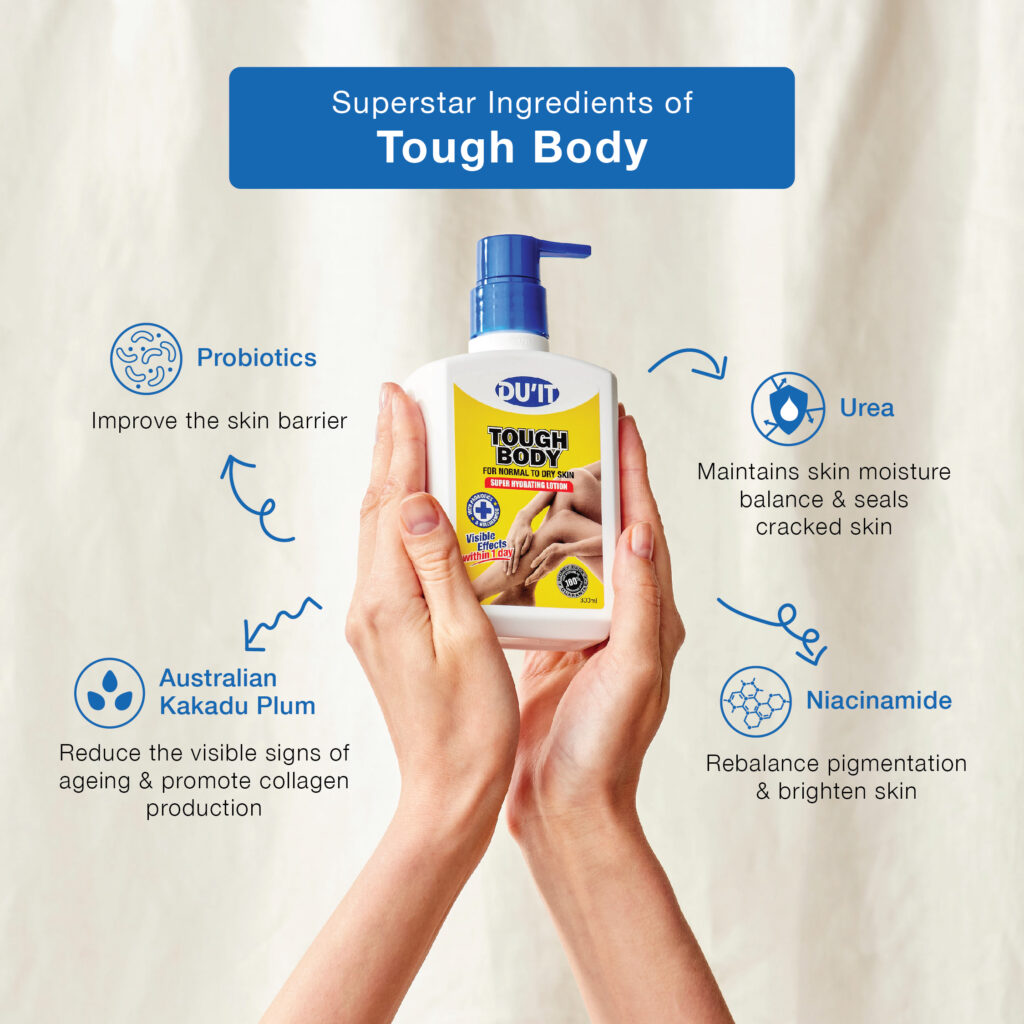
Incorporating probiotics into your skincare routine will help to restore the skin’s barrier, supporting a faster recovery process. The combination of powerful actives found in Tough Body works together to provide much-needed hydration to sun-damaged skin, promoting healing and minimising peeling. Using Tough Body regularly not only relieves the discomfort of sunburn, but also contributes to long-term skin health by supporting a well-balanced and resilient skin microbiome.
While it can be difficult to completely avoid the sun living in Australia, protecting your skin is essential whenever you venture outside. Follow the 5 SunSmart Steps and remember that excess UV exposure can quickly cause damage to your skin. When it’s hot outside, be sure to slip, slop, slap, seek and slide. And make sure to stock up on the DU’IT VE+ Vitamin E Face Cream and Tough Body to keep your skin hydrated and support faster healing from sunburn.
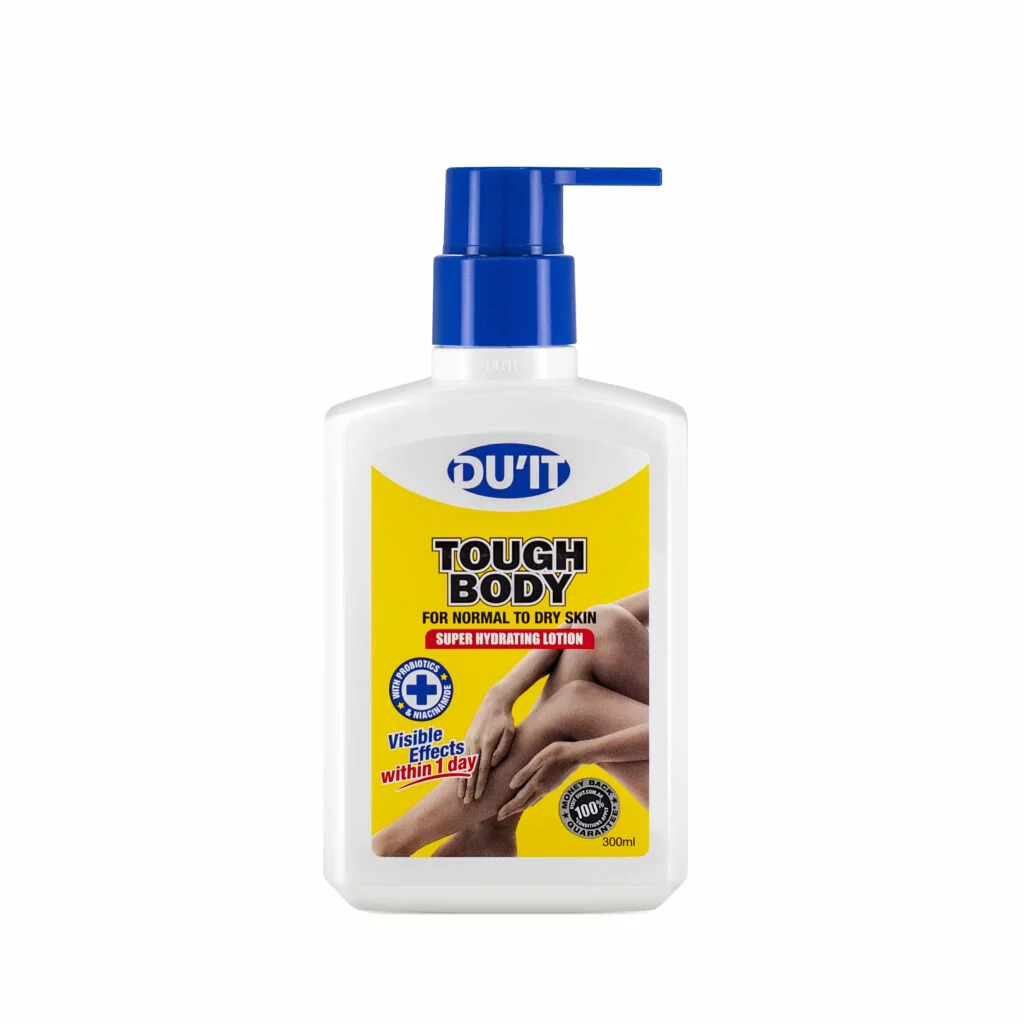
DU’IT Tough Body 300g
Reactivate skin radiance with our lightweight body lotion and daily body moisturiser. Tough Body rejuvenates, re-firms and moisturises. It is a non-greasy formula that’s supercharged with a potent combination of moisturising, antioxidant and brightening actives.
SKINCARE FINDER
Take DU’IT’s skincare quiz, see which of our products are best for you and get 10% off your next purchase.

