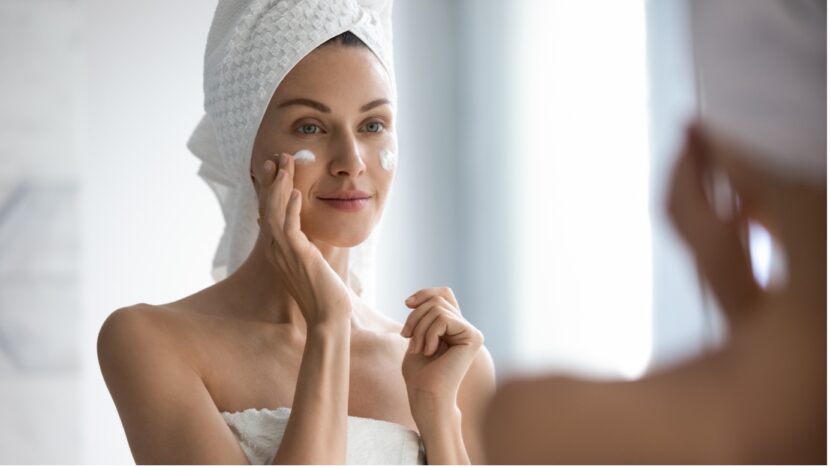
Most people should moisturise twice a day, in the morning and before bed, on clean skin. If your skin is very dry, cracked or sensitive skin, apply more often, ideally after every shower, wash or exfoliation. Moisturising daily keeps the skin barrier strong, locks in hydration, soothes and smooths the skin, and helps slow visible signs of ageing.
Whether you’re rushing to get ready in the morning, or you’re exhausted after a long day and just want to fall into bed, you might forget one very important step in your daily routine: moisturising your skin. Using a daily moisturiser should be part of your morning and night-time skincare routine, no matter your skin type, whether that’s oily, dry, normal, combination or sensitive skin.
Keep reading to find out how often you should moisturise, why this step matters for healthy skin, how moisturiser actually works, and what happens to your skin if you skip it.
How often should I moisturise my skin?
The answer depends on your skin type, whether you have normal, oily, dry or combination skin. As a general rule, apply moisturiser 2 to 3 times a day on clean, dry skin. This is the most widely accepted practice because it keeps your skin’s moisture levels steady across the full 24-hour cycle.
If your skin is extremely dry, rough or cracked, apply moisturiser more often, after every shower, wash or exfoliation, or any time your skin feels tight or feels dry. This locks in moisture and helps prevent your skin from drying out between applications. People with very dry skin or a compromised skin barrier will usually need to moisturise more frequently than those with normal or oily skin.
What does moisturiser do, and why does skin hydration matter?
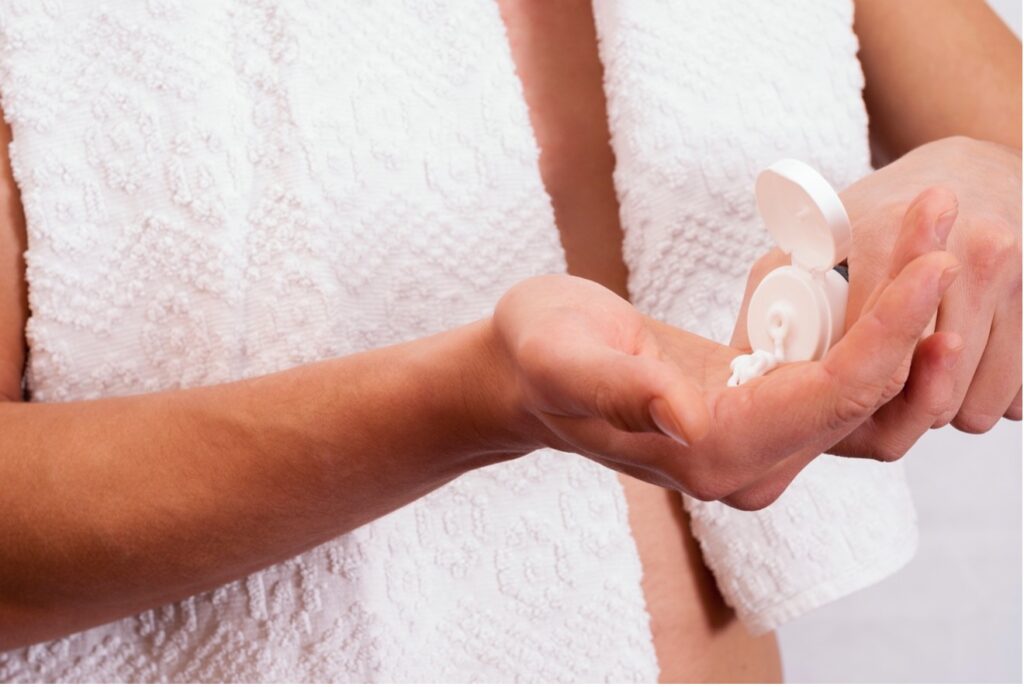
Moisturising maintains the integrity of the skin’s barrier function, which is vital for healthy skin. Think of the skin’s protective barrier as a wall: it blocks the bad stuff, like bacteria and other environmental factors, while stopping the good stuff, like moisture, from escaping. Your skin barrier is constantly pelted by external aggressors like UV rays, blue light, pollution and cold temperatures, so it helps to reinforce that wall with the right moisturiser to limit water loss.
The main benefits of moisturising regularly include:
- It keeps skin hydrated while smoothing rough and flaky patches, for smooth, glowing skin
- It supports collagen production and helps slow the visible signs of ageing in mature skin
- It improves skin cell function, skin’s texture, and speeds up the turnover of dead skin cells
- It soothes sensitive skin and irritated skin
- It repairs the skin’s protective barrier, which keeps toxins, pollutants and other damaging forces from reaching the deeper layers of skin beneath
These benefits are why a moisturiser is worth the small daily effort, whatever your skin type.
What happens when you don’t moisturise?
Skipping moisturiser lets the water content in your skin go unreplenished, and over time that shows up as a range of skin issues:
Dry and cracked skin. When skin loses its ability to retain water and the barrier is compromised, it loses elasticity, and stress like stretching or movement can cause it to crack. Cracks on the heels in particular can become deep and, if untreated, infected.
Increased sensitivity. When the skin moisture barrier is disrupted, it cannot properly protect itself, so irritants like bacteria and pollution penetrate the outermost layer, worsening redness, itchiness and irritation. A compromised skin barrier is also linked to skin conditions like atopic dermatitis.
Fine lines and wrinkles. Fine lines that show up early often have more to do with hydration than age. Dry or dehydrated skin makes any wrinkling or flaws look more pronounced, while properly hydrated skin appears plumper and softer.
Dull, congested skin. Without proper hydration, impaired barrier function means skin does not shed dead skin cells often enough, so they build up on the surface. This contributes to clogged pores, congestion, mild acne-prone skin and a dull complexion.
How does moisturiser work?
Your skin is the largest organ in the body, and its structure is designed to keep moisture trapped inside while keeping foreign materials out. To do this, it has a protective covering of lipids, which acts as the first line of defence against microbes, pollution and UV rays, which is also why daily sun protection matters alongside moisturising. Because the skin is constantly exposed to a harsh environment, that protective barrier is easily stripped. In cold temperatures especially, the sebaceous glands that produce skin-lubricating sebum and the skin’s natural oils are less active, so skin is short on its own natural moisturiser and can become dry, unhealthy and prone to cracking.
Moisturisers restore the skin to its natural condition. They hold a mix of water, oils and other concentrated active ingredients that trap water on the outermost layer of skin so it doesn’t evaporate straight away, helping rehydrate and plump the surface layers of skin. Whether for the face, body or hands, moisturisers contain different skincare ingredients that work in slightly different ways, falling into three groups: humectants, emollients and occlusives.
1. Humectants
Humectants attract and retain water. They draw moisture into the stratum corneum, the outermost layer of the skin, working like a magnet to attract water and keep skin hydrated and plump. Common humectants include hyaluronic acid, urea, alpha-hydroxy acids (AHAs) like lactic acid, amino acids, peptides and sugar alcohols like glycerin.
2. Emollients
Emollients soften, smooth and condition the skin by filling the gaps between cells and skin flakes, and they speed up skin barrier repair to help undo damage from sun, environmental factors and harsh products. Common emollients include vitamin E, ceramides, fatty acids, jojoba oil and rosehip oil.
3. Occlusives
Occlusives form a physical barrier on the skin’s surface to seal in everything underneath and prevent moisture loss. Think of it as a thin shield that locks in hydration and defends against outside toxins. Common occlusive ingredients include dimethicone, beeswax, lanolin and shea butter.
The best moisturisers combine all three. A humectant pulls water in, an emollient smooths and repairs, and an occlusive seals it all in, so together they protect skin and deliver longer-lasting hydration.
What’s the Best Daily Moisturiser for Your Skin?
Not everyone has the same skin needs, so the right moisturiser depends on your skin type and where on your body you’re applying it.
Best Moisturiser for Your Face
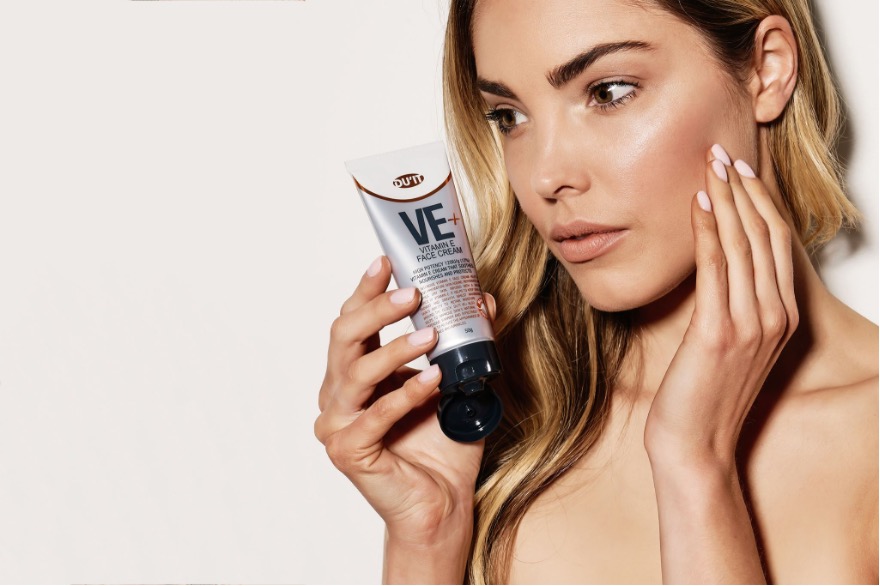
Look no further than DU’IT for an affordable face moisturiser. 100% Australian made and owned, VE+ Vitamin E Face Cream is formulated with a high potency of 12% natural vitamin E, six times more than a standard vitamin E cream, to keep skin hydrated and protected. Suitable for all skin types, including sensitive and oily skin, it soothes irritated skin, counteracts free radical damage and helps prevent water loss by sealing in moisture, leaving skin soft, supple and radiant. Its light, non-greasy formula makes it a perfect make-up base, and after washing your face is the ideal moment to apply it while skin is still slightly damp.
“I received DU’IT VE+ Vitamin E Face Cream as a sample. I was a little sceptical, but once I used it I was blown away by how good it is. I love the thicker consistency, and the moisture really penetrates my skin, giving me the boost I need in this freezing Melbourne weather. It creates a moisture primer barrier under my make-up but does not leave me shiny or greasy. I also love using it at night. It’s a good little product, and good on price too.” Natalie123, Beauty Heaven
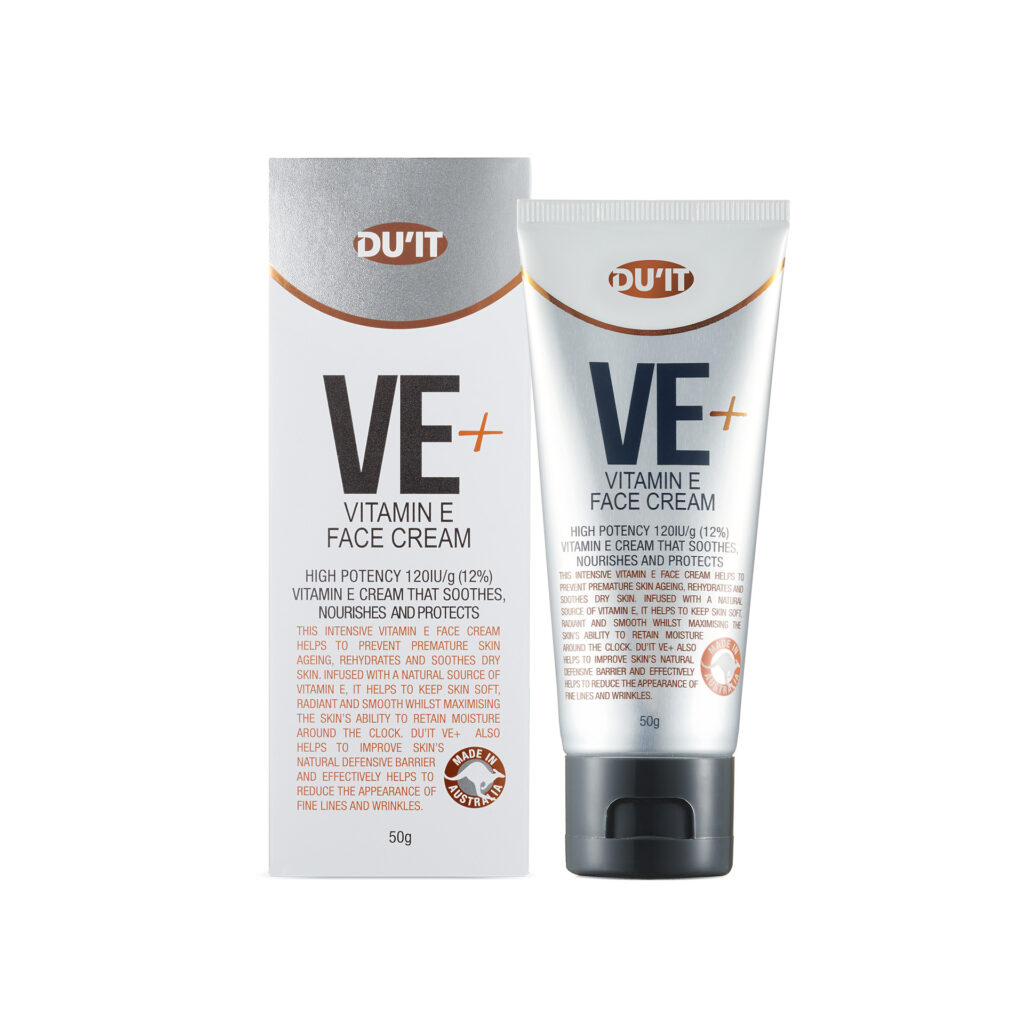
DU’IT VE+ Vitamin E Face Cream 50g
DU’IT VE+ Vitamin E Face moisturiser is a high potency (120iu/g or 12%) vitamin E face cream, that contains 6 times more vitamin E than that of standard vitamin E cream, providing exceptional moisturising properties for dry skin. It neutralises free radical activity, moisturises dehydrated skin, and fine lines and guards against premature skin ageing.
Best Moisturiser for Your Hands
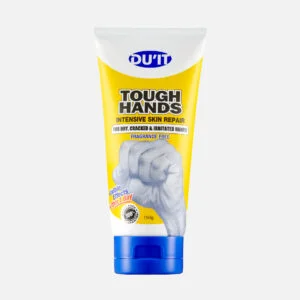
Those with sensitive skin know that gentle is best. Whether you’re prone to irritation or have a skin condition like eczema, the key is to reinforce the skin barrier so it can better resist dehydration and other environmental factors. Free from added fragrance and other irritating ingredients, DU’IT Tough Hands Fragrance Free is specially formulated for dry, cracked and sensitive skin. It restores the skin’s protective barrier and replaces lost natural oils while providing long-lasting protection, with softer, smoother results in 1 day.
“I’ve been using DU’IT Tough Hands for years and wasn’t aware they had a fragrance free hand cream. What a great idea for those with extra sensitive skin. Rich, soothing, hydrating and protective are the words I’d use to describe it. It has a combination of hydrating, exfoliating and protective ingredients to replenish lost moisture and soften calluses. This is my go-to cream with all the hand washing and sanitising I’m doing these days.” Nongy, Beauty Heaven
Tough Hands is Australia’s No.1 hand cream* and uses a combination of humectants, emollients and occlusives for a synergistic effect: 10% urea (humectant), vitamin E (emollient) and dimethicone (occlusive), clinically proven to smooth and soften dry, rough, cracked hands with visible effects in 1 day.
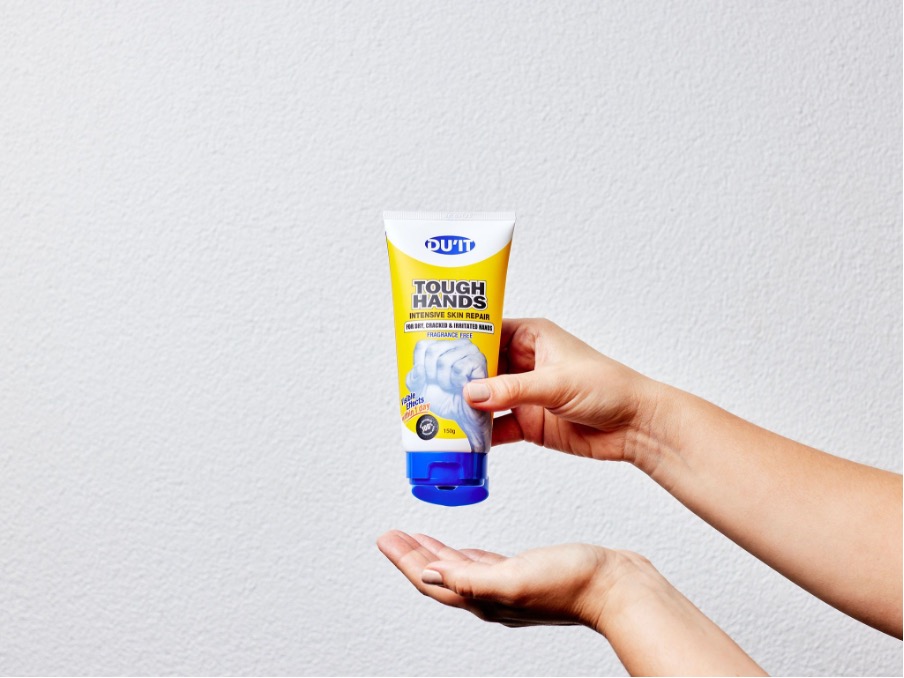
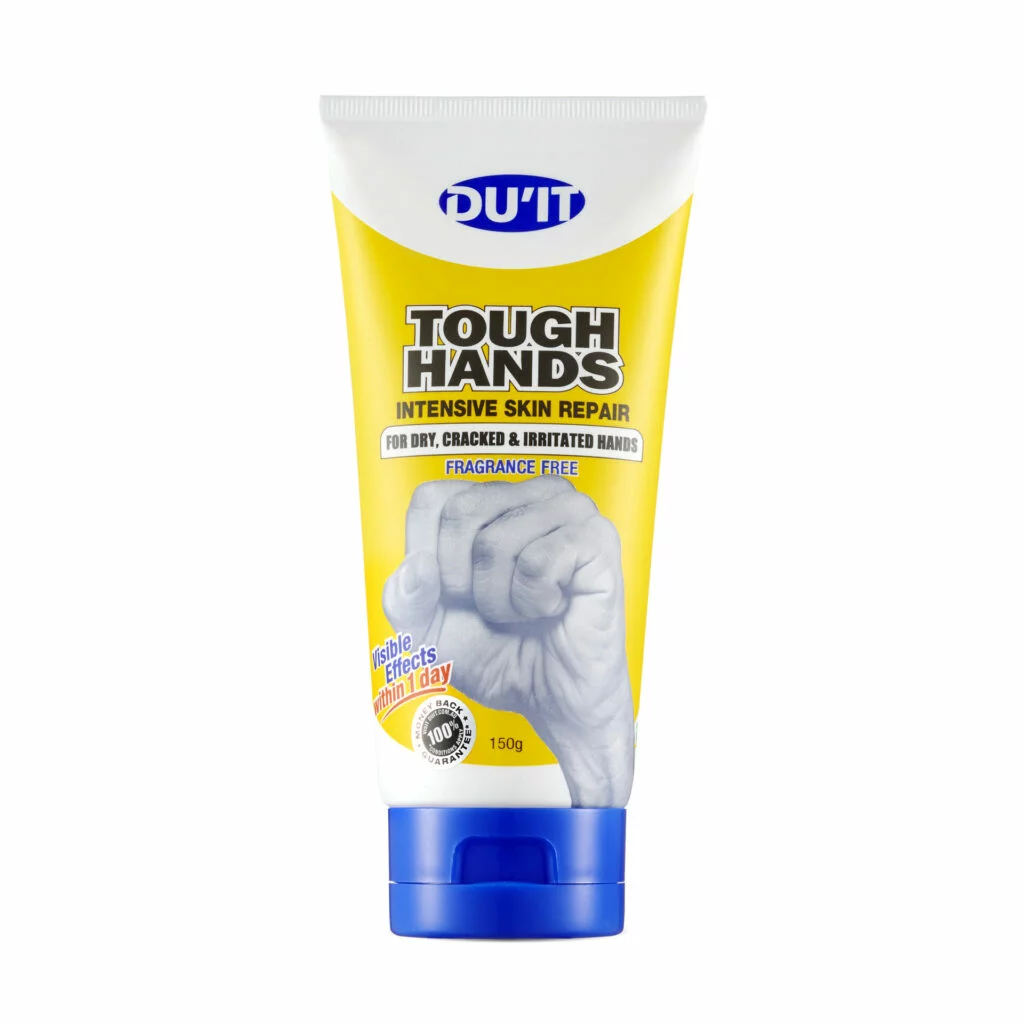
Tough Hands Fragrance Free 150g
DU’IT Tough Hands Fragrance Free intensive hand cream is a clinically proven, intensive strength hand cream for dry hands that works to seal cracks, replace lost oils, condition the skin and form a protective barrier to keep hands in top condition. It repairs dry, rough, cracked, irritated and calloused hands, with visible effects in 1 day. Specially designed for sensitive skin, it contains no nasties and is Australian made and owned.
Best Moisturiser for Your Body and Neck
For the rest of your entire body, including easily overlooked areas like your neck, a daily body lotion applied after showering keeps arms, legs, torso and neck just as hydrated, and a dedicated foot balm looks after dry, cracked heels.
A few application tips: apply a generous amount rather than skimping, use gentle upward strokes when massaging moisturiser in, and keep a bottle somewhere easily accessible, like your bathroom cabinet or bedside table, so it’s simple to stick to daily.
Circana data, AU Grocery & Pharmacy, Data on File
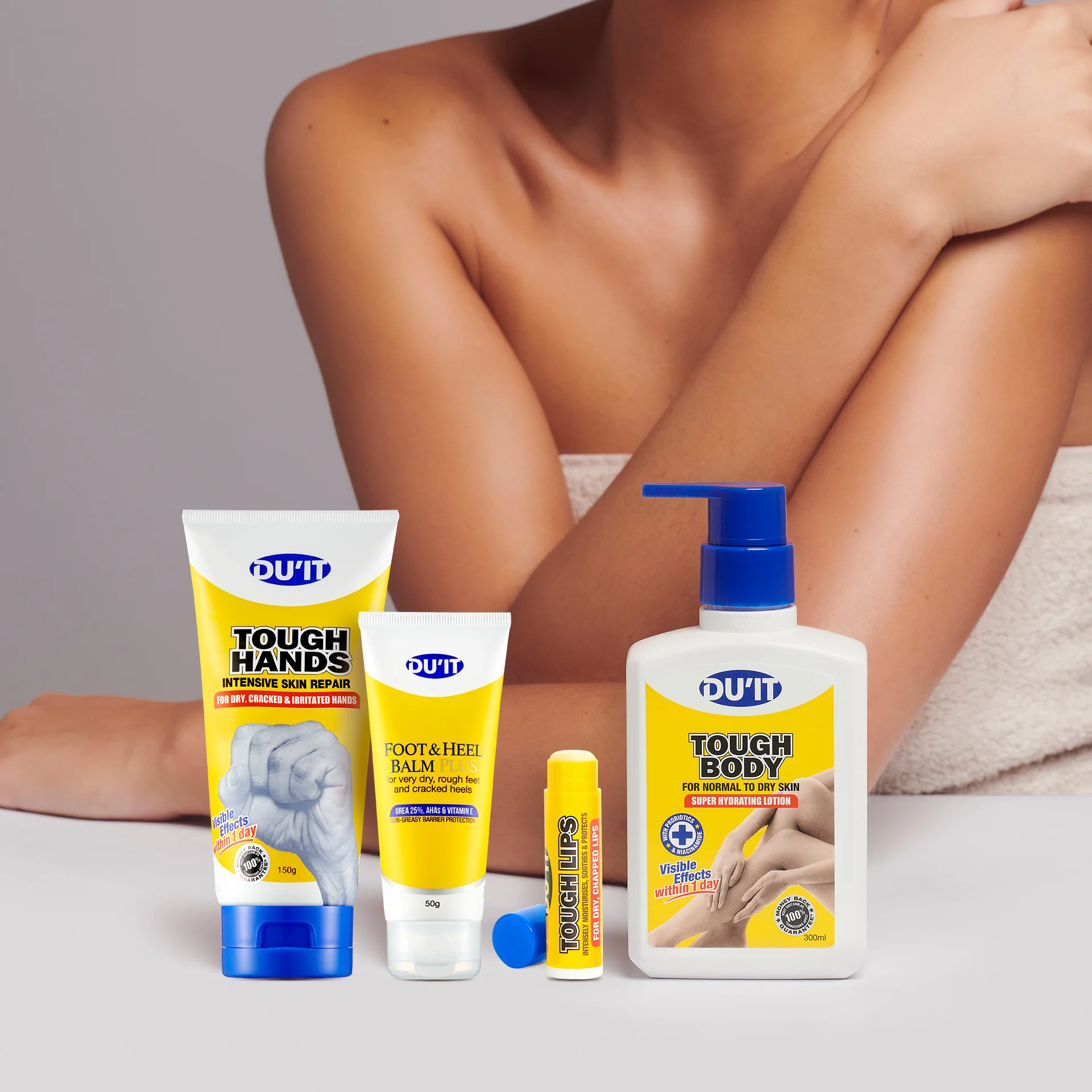
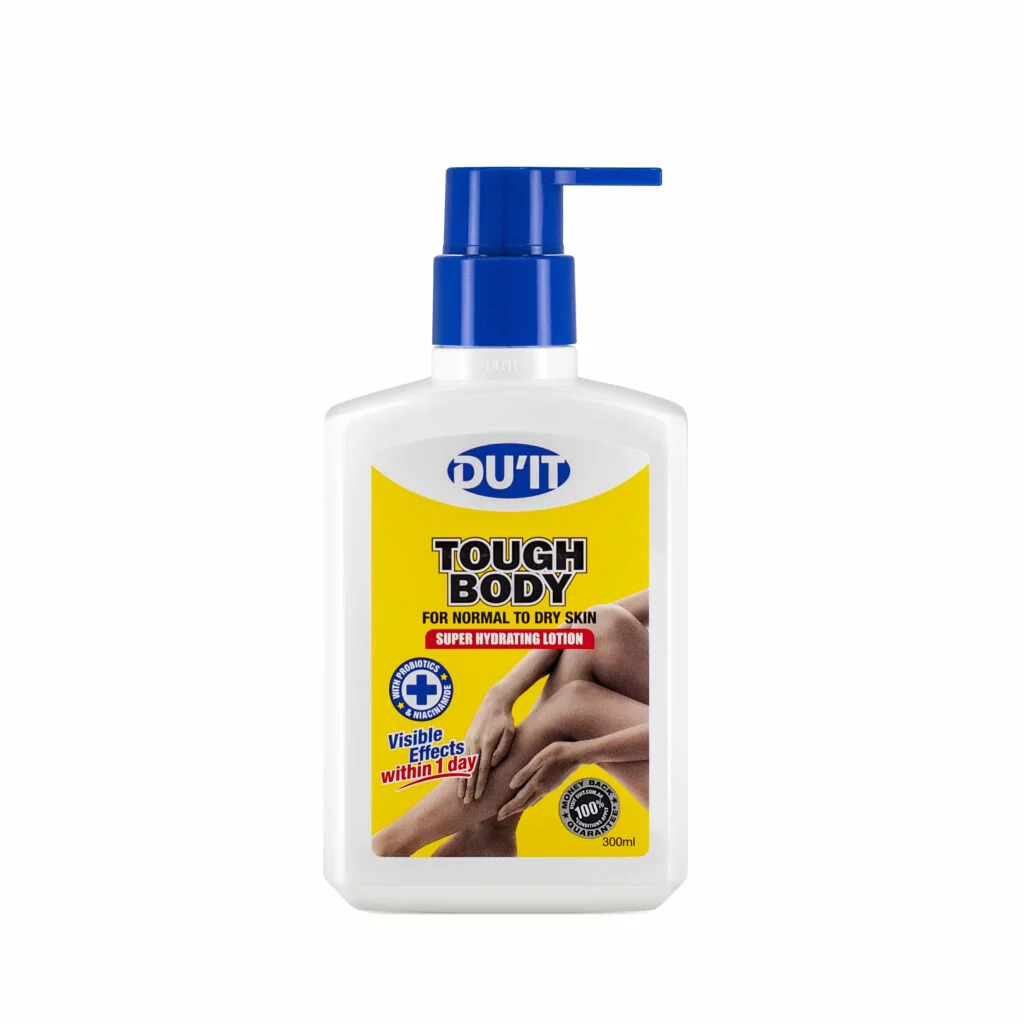
DU’IT Tough Body 300ml
Reactivate skin radiance with our lightweight body lotion and daily body moisturiser. Tough Body rejuvenates, re-firms and moisturises. It is a non-greasy formula that’s supercharged with a potent combination of moisturising, antioxidant and brightening actives.
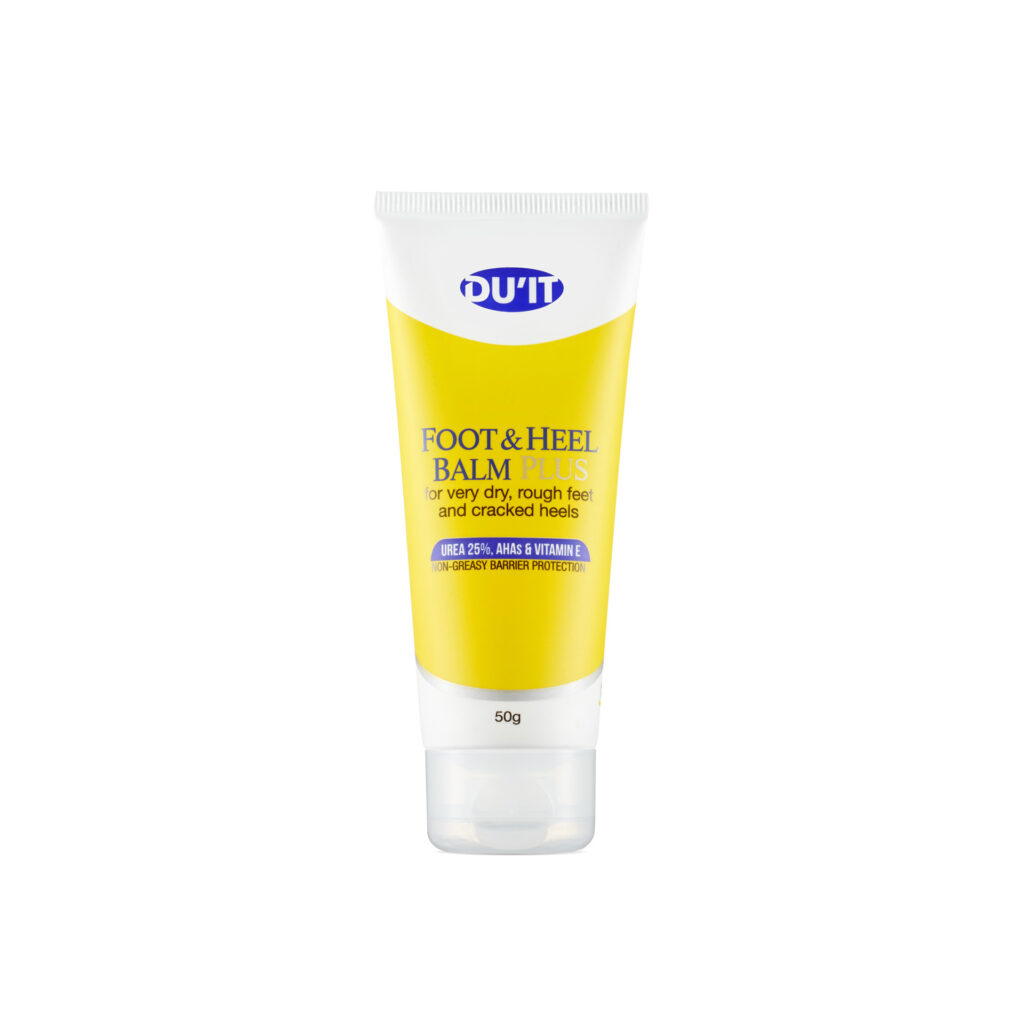
DU’IT Foot & Heel Balm Plus 50g
Visible effects within 1 day, DU’IT Foot & Heel Balm Plus is an intensive heel balm formula containing 25% Urea that helps repair cracked, dry heels.
This foot cream is clinically and dermatologically tested to effectively rehydrate, soften and protect feet, giving you soft, smooth, healthy feet.
FAQs
How often should you moisturise?
Twice a day is the rule of thumb, morning and night, on clean skin. If your skin is very dry, cracked or sensitive, moisturise more often, especially after showering, washing or exfoliating, since these strip the skin’s natural oils.
Should you moisturise every day?
Yes. Daily moisturising keeps the skin barrier strong and your skin’s moisture levels steady. Skipping it lets water escape from the skin, which over time leads to dryness, sensitivity, dullness and more visible fine lines.
When is the best time to apply moisturiser?
Straight after cleansing or showering, while the skin is still slightly damp, so the moisturiser can seal water in before it evaporates. Morning and before bed are the two key moments in a daily skincare routine.
What is the difference between a humectant, an emollient and an occlusive?
A humectant like urea or hyaluronic acid draws water into the skin, an emollient like vitamin E smooths and repairs it, and an occlusive like dimethicone seals everything in. The best moisturisers use all three together.
Can you over-moisturise your skin?
For most people, moisturising 2 to 3 times a day is ideal, and there is little risk in keeping dry skin hydrated. If skin feels greasy or you notice blocked pores, switch to a lighter, non-greasy moisturiser rather than skipping moisturiser altogether.
Make moisturising a daily habit
The takeaway is simple: moisturise consistently, morning and night, and match the right moisturiser to each part of your body and your skin’s needs. DU’IT makes clinically proven, Australian-made moisturisers for dry skin from head to toe, so keeping skin soft, smooth and properly hydrated all year round is easy.
Start with a light face moisturiser for soft, glowing skin, reach for a repairing hand cream when your hands feel dry or irritated, and smooth on a daily body lotion after every shower. For rough, cracked heels, a dedicated foot balm does the hard work overnight.
Ready to build your routine? Explore the full DU’IT range and start your journey to healthy, hydrated skin.