


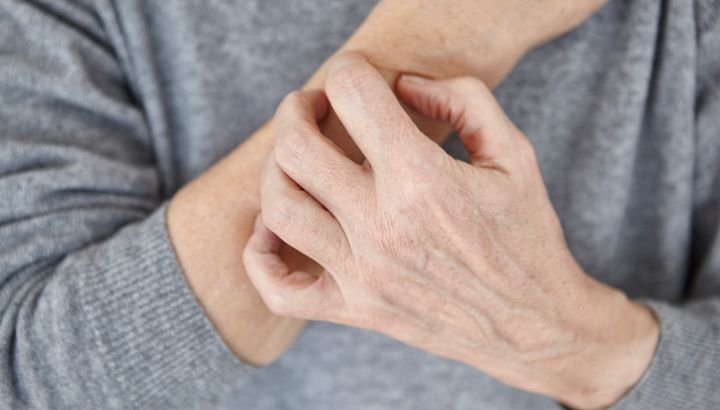
Dry skin happens when the skin’s outermost layer loses more moisture than it can hold, leaving it tight, flaky, itchy and sometimes cracked. Common causes include cold or windy weather, low humidity, hot water, frequent washing, ageing, diet and underlying conditions like eczema or diabetes. You can treat and prevent dry skin by washing in warm rather than hot water for no more than 5 to 10 minutes, applying moisturiser while the skin is still damp, drinking plenty of water, and choosing a gentle, fragrance-free moisturiser with urea or glycerin to add moisture and repair the barrier.
Dry skin is a very common and usually harmless skin condition. However, in some cases, dry skin can be accompanied by uncomfortable itchy skin, irritation or even pain. So what are the common factors that trigger dry skin, and how can we tackle it? Today we’ll take you through the causes of dry skin and introduce you to some of the best treatments for dry skin.
What causes dry skin?
Dry skin, also known as xerosis, is a common skin condition characterised by a lack of moisture in the outer layer of the skin. This can leave the skin feeling dry, tight and itchy, and in some cases it can even become painful. While dry skin can affect anyone, regardless of age or skin type, it is often more prevalent in older adults. The condition can be triggered by a variety of factors, including genetics, environmental conditions and certain medical conditions. If left untreated, dry skin can lead to complications such as skin infections and eczema, so it is worth addressing promptly.
The top layer of our skin is made up of dead skin cells and natural oils that act as a protective barrier, helping retain moisture and keep irritants out. Dry skin develops when this barrier is impaired by the external and internal risk factors below.
Weather
For most people, winter is the most challenging season for the skin because of its low temperature and low humidity. Autumn is a common trigger too, as humidity drops with the cooling weather and the dry air pulls moisture from the skin. A dry climate, windy weather and cold, harsh wind all strip the skin quickly.
In Australia, we face threats from the harsh environment all year round. The thinning of the ozone layer in the mid-latitudes over Australia means more UV radiation reaches the Earth, and overexposure to the sun is a contributor to dry skin. Our semi-arid climate also brings big temperature swings between day and night, so skin moisture evaporates fast.
Diet
What you eat has an impact on your skin too. The human body is made up of about 80% water, and without enough fluid, your skin can appear drier and develop more fine lines. If your skin feels dry and flaky, it helps to limit diuretic drinks like alcohol, coffee and tea, which draw moisture from the body.
Salty and fried food can dry the skin as well, since excess salt draws fluid out of the cells. On the other hand, foods high in vitamins and omega-3 fatty acids, such as fruit, vegetables, nuts, avocados and olive oil, help boost skin moisture from the inside out.
Skincare habits
Certain dry skin symptoms are linked to everyday skincare habits. The most relevant for many of us is frequent washing. Many soaps, deodorant soaps, detergents and cleaning products are designed to remove oil, which leaves skin dry and tight, and repeated exposure to alcohol and solvents adds to the irritation.
Your bathing habits matter too. It is tempting to take a steaming-hot shower after a long day, but hot water speeds up the evaporation of the skin’s natural oils, while frequent bathing compounds the effect. Shaving without enough lather is another common culprit, as dragging a razor over dry skin causes redness and soreness. These habits damage the skin’s barrier and make dry skin worse over time.
Age
As we age, so does our skin, and one of the most noticeable signs of skin ageing is dryness. Older skin produces less oil and renews its skin cells more slowly, which raises the risk of dry skin, and a loss of hormones can dry the skin further. Studies show adults aged 40 or older are at higher risk, with about half of this age group affected.
Collagen production also slows, so you may notice changes in texture, firmness and elasticity. You cannot stop the natural ageing process, but you can help prevent premature ageing by keeping skin well hydrated.
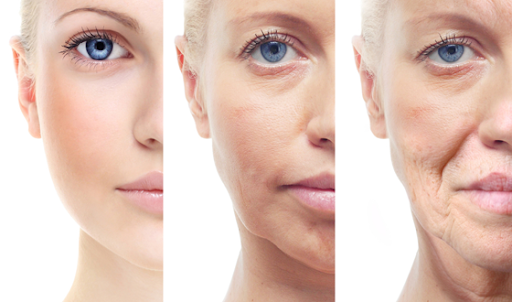
Our skin becomes drier with age
Medical conditions
Occasionally, dry skin is a sign of an underlying medical condition. People with eczema, a chronic condition also known as atopic dermatitis, often find their skin dry, flaky and itchy. Australia has one of the highest rates of eczema in the world, with around 10 to 15% of the population affected, and dry skin can in turn flare up eczema symptoms. People with diabetes are more likely to have dry skin, as high blood sugar can lead to poor circulation and extremely dry, cracked skin.
Dry skin is also linked to contact dermatitis, allergic reactions, psoriasis, an underactive thyroid and kidney disease, and it can be a side effect of certain medications. A family history of dry or sensitive skin raises your risk too.
Symptoms of dry skin
Dry skin makes the skin look and feel rough, and symptoms can range from mild to severe:
- Flaky skin, scaling or rough patches
- A feeling of tightness, especially after you wash
- Itchy skin and itchy patches
- Redness and irritation
- Fine cracks or, in extremely dry skin, deeper cracks
- In severe cases, painful cracks or open sores that need care to prevent infection
Itching is often the hardest symptom to live with, and scratching can break the skin. For very itchy skin, a gentle anti-itch cream can calm the urge to scratch, but the priority is always to treat the dryness underneath.
How is dry skin diagnosed?
Most dry skin is easy to identify and manage at home. If it is severe, persistent or keeps coming back, a GP or dermatologist can diagnose the cause through a physical examination of the skin and a discussion of your medical history and family history. Getting dry skin diagnosed properly matters when an underlying condition is suspected, because it shapes the right treatment plan. See a healthcare professional if your skin is severely dry, cracking, weeping or showing open sores, or if home care is not helping.
How to treat dry skin
Understanding the underlying causes makes it easier to find a solution. A simple dry skin treatment is to make a few lifestyle changes, such as drinking plenty of water, cutting down on alcohol and caffeine, and using warm water rather than hot for showers. A handful of daily habits do most of the work to treat and prevent dry skin:
- Keep washing short and warm. Limit yourself to one 5 to 10-minute shower a day in warm, not hot, water to protect the skin’s natural oils.
- Apply moisturiser while skin is still damp. Pat your skin dry, then moisturise within a couple of minutes while it is still damp to seal in water before it evaporates.
- Choose a gentle, fragrance-free formula. Swap harsh soaps for a gentle cleanser or soap-free cleanser, and a fragrance-free moisturiser if your skin is sensitive.
- Exfoliate gently. A mild exfoliant clears away dead skin cells so your moisturiser absorbs, but avoid heavily perfumed scrubs or anything with alcohol.
- Lather up before shaving. Keep skin wet and use plenty of shaving gel to avoid irritation.
- Eat for your skin. Fruit, vegetables, nuts and avocados supply the water, vitamins and omega-3s that keep healthy skin supple.
- Manage stress. Prolonged stress can trigger rashes, itchy skin and dry, flaky patches, so regular exercise and time to unwind help.
- Cover up in the cold. Wear gloves and warm layers, as cold, windy weather dries and cracks skin fast.
- Add moisture to dry indoor air. Indoor heating dries the air, so a humidifier helps reduce that effect and keep moisture on the skin.
For severe or persistent cases, a doctor may prescribe a topical steroid or other treatment, so follow their advice and finish any course as directed.
No matter the cause, the golden rule is to give skin extra hydration with the right moisturiser. Look for humectants like urea, glycerin and hyaluronic acid that attract moisture into the skin, paired with ingredients like dimethicone and vitamin E that seal it in and help repair the barrier.
Occlusives such as petroleum jelly are sometimes used to lock in moisture, though a lightweight moisturiser with dimethicone seals in hydration just as well without the heavy, greasy feel of petrolatum. If you are still hunting for the best moisturiser for very dry skin, look for a gentle, fragrance-free formula that pairs moisture-attracting humectants with barrier-repair ingredients to keep skin soft and protected.
Frequently asked questions
What causes dry skin?
Dry skin happens when the skin barrier loses more moisture than it can hold. The usual causes are environmental (cold or windy weather, a dry climate, low humidity, sun and indoor heating), habit-based (hot water, frequent bathing and harsh soaps), and internal (ageing, diet, dehydration and conditions like eczema, diabetes or psoriasis).
How do I get rid of dry skin fast?
Switch to short, warm showers, apply moisturiser within a couple of minutes of washing while the skin is still damp, and drink plenty of water. A urea-based cream works quickly because urea attracts moisture into the skin and helps repair the barrier. Most people see softer, smoother skin within a few days.
Is dry skin a sign of something serious?
Usually not. Dry skin is very common and generally harmless, but persistent or severe dry skin can point to an underlying condition such as eczema, psoriasis, kidney disease or diabetes. If it will not settle with moisturising and gentler habits, or it is cracking, weeping or showing open sores, see a GP or dermatologist.
What ingredients are best for dry skin?
Look for humectants like urea, glycerin and hyaluronic acid that draw moisture into the skin, plus barrier-repair ingredients such as dimethicone and vitamin E that seal it in. Avoid fragrance, alcohol and harsh exfoliants, which strip the skin’s natural oils.
Does dry skin get worse in winter?
Often, yes. Cold air holds less moisture, harsh wind strips the skin, and indoor heating dries the air further, so dry skin tends to peak in autumn and winter. Moisturise more often, run a humidifier and cover up with gloves in cold weather.
Ready to give dry skin the relief it needs?
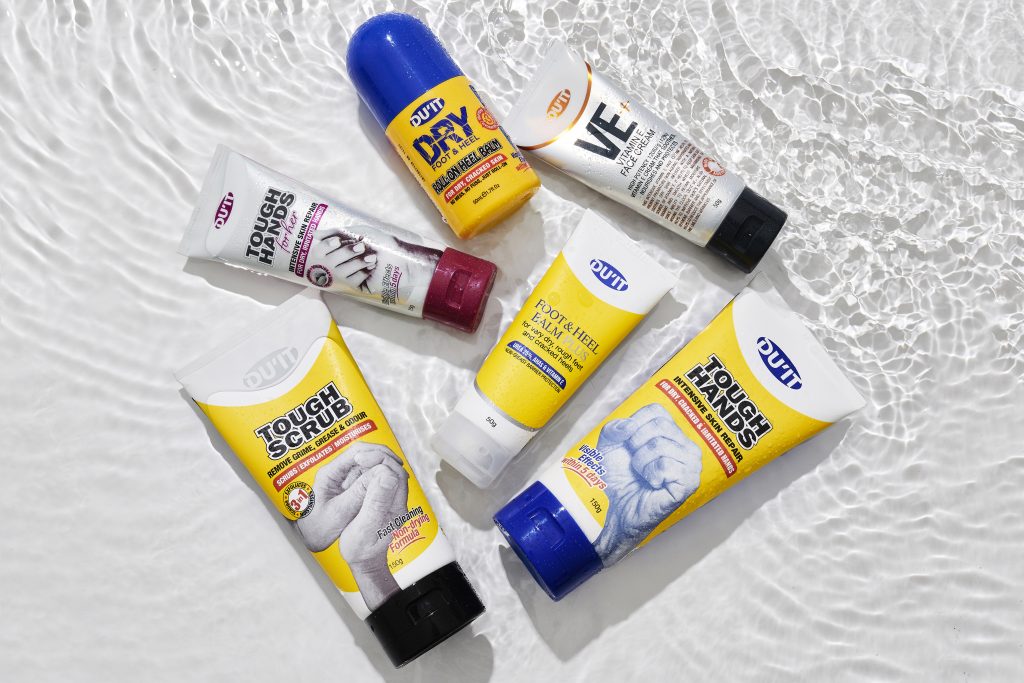
Whatever is triggering your dry skin, it comes back to one thing: consistent hydration with the right moisturiser. The DU’IT range is made to soothe, hydrate and protect your skin from head to toe.
Shop the DU’IT range and start your journey to soft, healthy, hydrated skin.
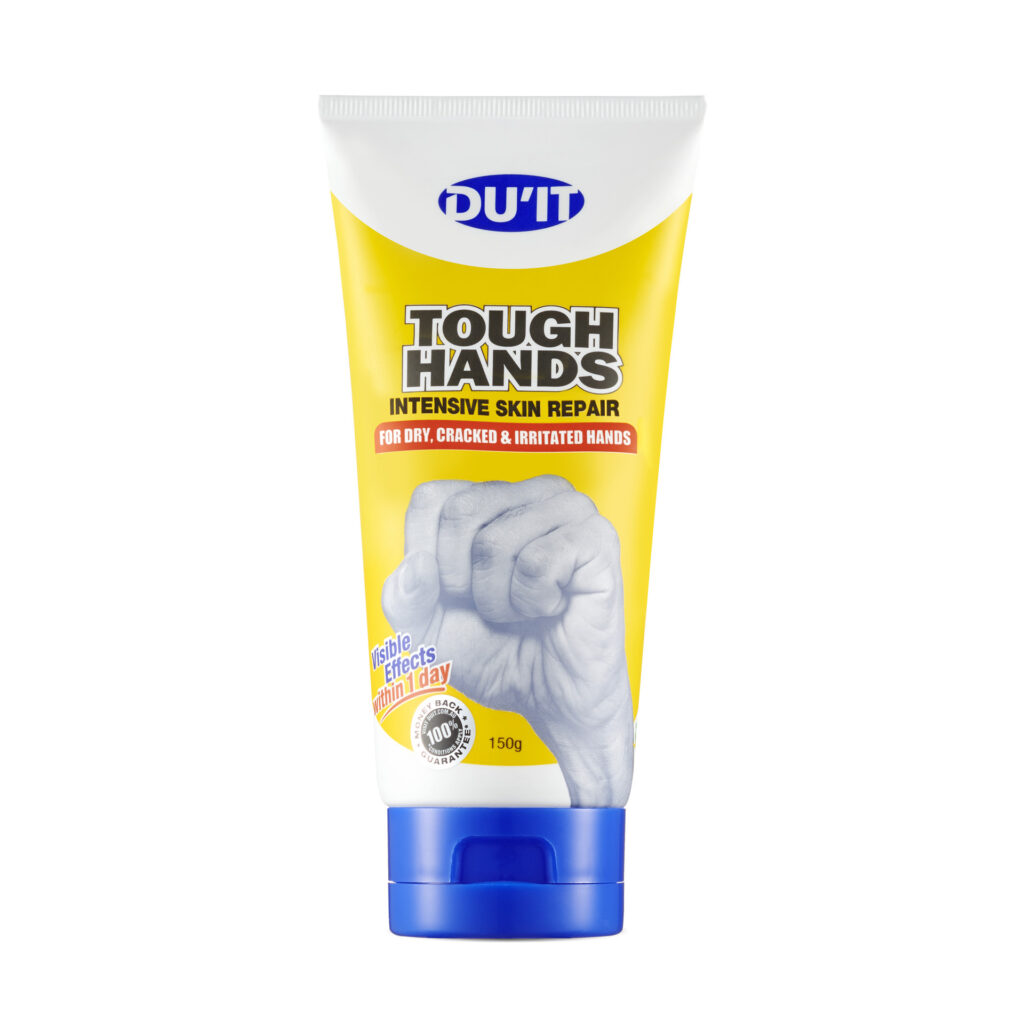
DU’IT Tough Hands 150g
DU’IT Tough Hands is a clinically proven, intensive strength hand cream for dry hands that works to seal cracks, replace lost oils, condition the skin and form a protective barrier to keep hands in top condition.
It’s Australia’s No.1 hand cream* (Circana data, AU Grocery & Pharmacy, Data on File).
Repairs dry, rough, cracked, irritated and calloused hands, with visible effects in 1 day. It’s non-greasy, made in Australia and contains no nasties.
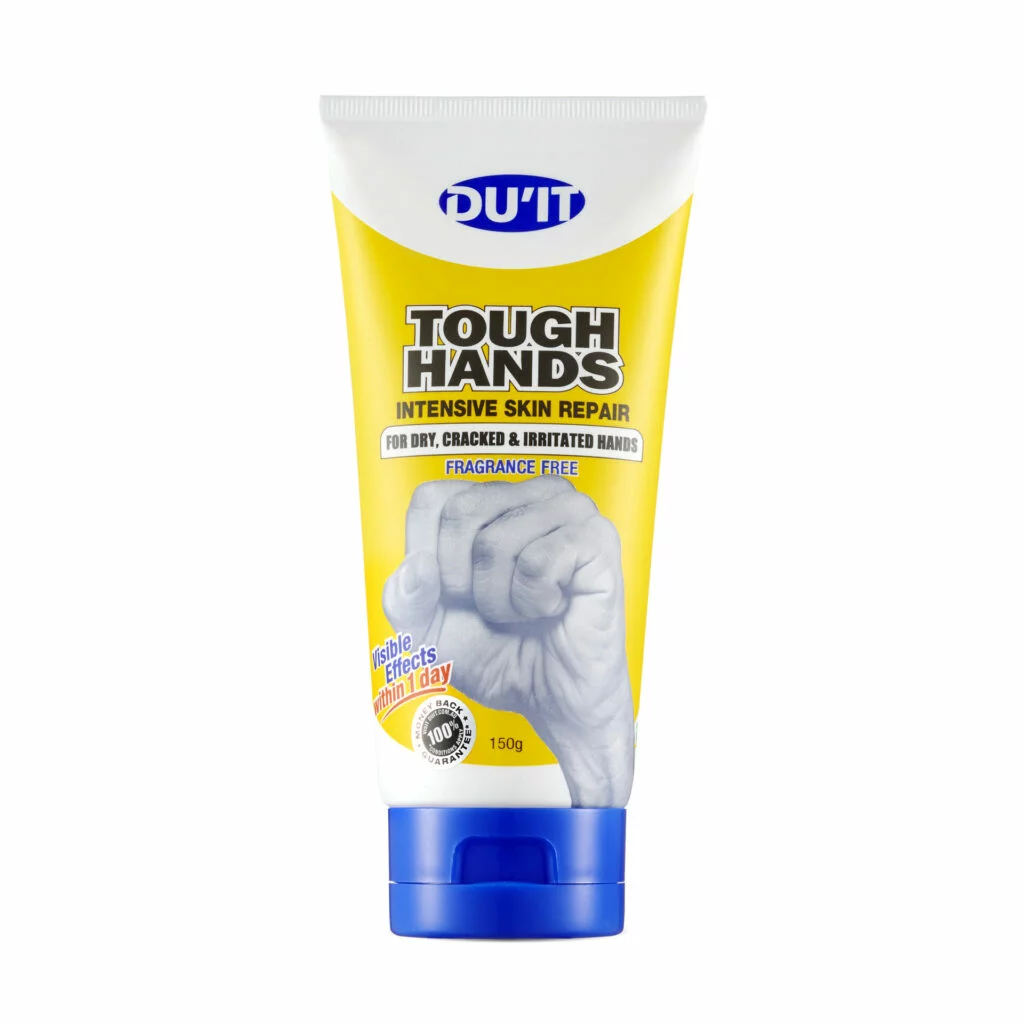
DU’IT Tough Hands Fragrance Free 150g
DU’IT Tough Hands Fragrance Free is an advanced, multi-action hand cream treatment formula that contains skin smoothing natural lactic acid to exfoliate away dryness and improve skin texture and suppleness. It provides long-lasting protection from damage to hands caused by repeated washing, prolonged use of latex gloves, chemicals, solvents, glues, cleansers and contact with other allergens and irritants.
Fragrance Free Especially developed for sensitive skin, Tough Hands contains no fragrance, allergens or irritants. It’s the perfect hand cream for sensitive skin.
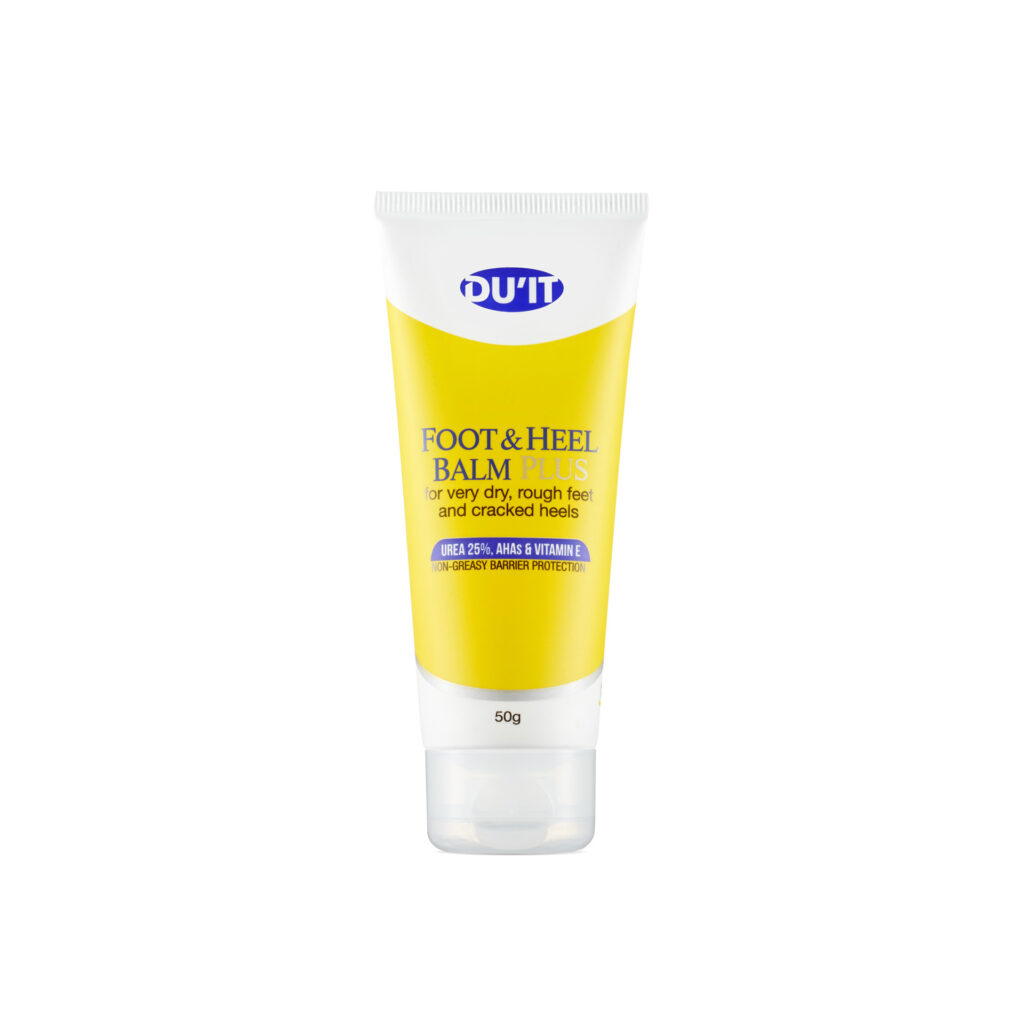
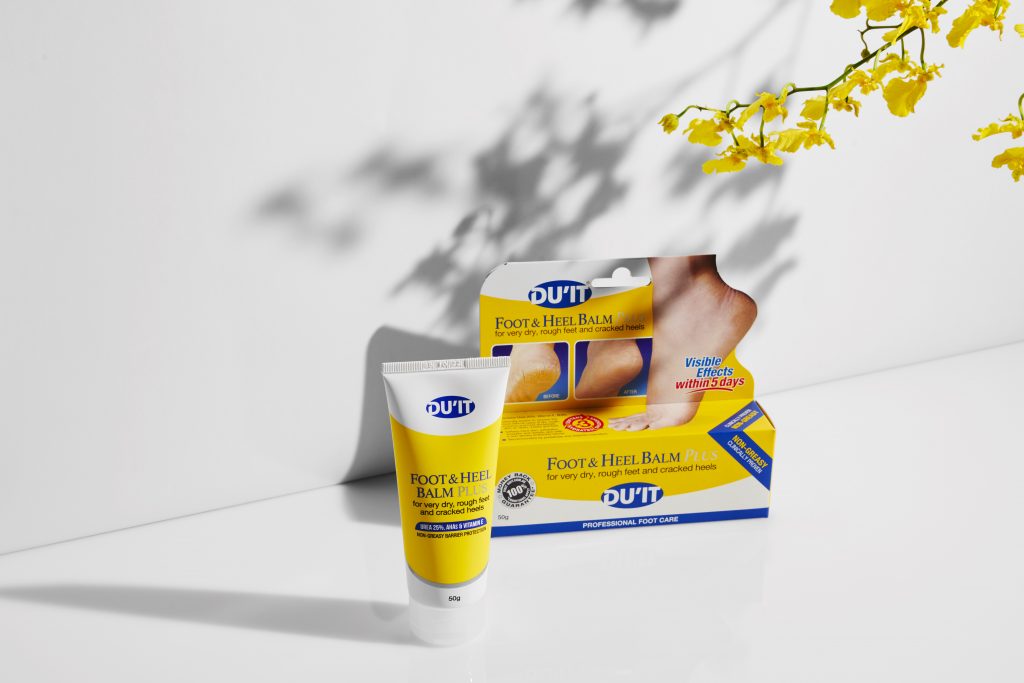
DU’IT Foot & Heel Balm Plus 50g
Visible effects within 1 day, DU’IT Foot & Heel Balm Plus is an intensive heel balm formula containing 25% Urea that helps repair cracked, dry heels.
This foot cream is clinically and dermatologically tested to effectively rehydrate, soften and protect feet, giving you soft, smooth, healthy feet.

